Day 2 — Tuesday, July 14
All times are Eastern Standard Time. 4.33 CRCE available.
Display Preferences
Hide/Show
8:10 a.m.–9:10 a.m. | Calusa Ballroom A–E | Education, General
Jimmy A. Young Memorial Lecture
From Vision to Vital Role—The APRT Journey
Robert Shaw, PhD, RRT, FAARC
Sarah Varekojis, PhD, RRT, RRT-ACCS, FAARC, FNAP
David Vines, PhD, RRT, FAARC
Mindy Conklin, RRT, RRT-ACCS
Show description

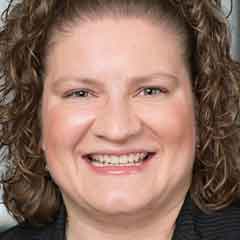
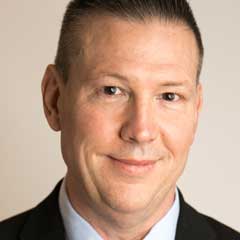

The mid-level provider role called the Advanced Practice Respiratory Therapist (APRT) has been on a development journey that is still in its early stages. Session presenters representing the American Association for Respiratory Care (AARC), the Commission on Accreditation for Respiratory Care (CoARC), the National Board for Respiratory Care (NBRC), and the Veterans Health Administration will discuss APRT progress. Programs can educate, assess, and employ individuals today who seek to perform, and are performing, in this new role with relevant observations shared. Current activities were built on a literature review and survey studies whose results identified a gap in services to patients needing advanced respiratory care, which are likely to go unmet due to a physician shortage. CoARC has published a set of standards for programs educating APRTs. With the CoARC standards as a starting point, the NBRC conducted a study of the APRT role that became the basis for the content and design of an outcome assessment to be used by education programs. The AARC has supported a committee that has been strategizing issues about APRTs including their licensure.
9:20 a.m.–10:00 a.m. | Calusa Ballroom A–E | Education
Update on 2026 CoARC Entry into Practice Standards
Lindsay Fox, MEd, RRT, RRT-ACCS, RRT-NPS
Thomas Smalling, PhD, RRT, RRT-SDS, RPFT, RPSGT, FAARC
Show description

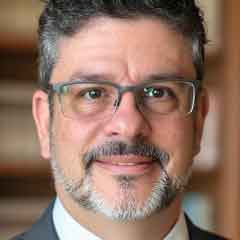
The presenters will provide an update and overview of the 2026 CoARC accreditation standards and their implications for programs and the profession. Emphasis will be placed on current status, the next steps, and timeline for implementation. Time will be allotted for questions and comments from members of the audience.
9:20 a.m.–10:00 a.m. | Calusa Ballroom F–H | Leadership & Management
PRO/CON: Burnout? Or Welcome to Work?
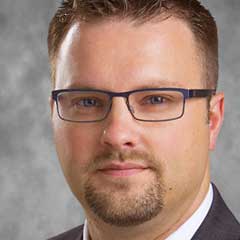
Emilee Lamorena, MSc, RRT, RRT-NPS
Brady Scott, PhD, RRT, RRT-ACCS, AE-C, FAARC
Show description
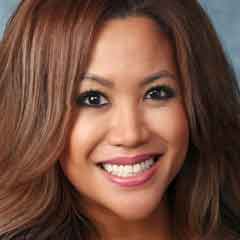
Burnout has become a dominant conversation in healthcare, yet opinions differ sharply on what truly drives it—and what, if anything, should be done. In this lively pro/con debate, a compassionate hospital leader argues that emotional strain, system pressures, and moral injury are eroding the well-being of respiratory therapists. Opposing this view, an educator contends that healthcare has always demanded grit, accountability, and resilience—and that hard work is not burnout, but the nature of the profession.
10:00 a.m.–11:00 a.m. | Estero Ballroom and Foyer | General
Exhibitor Break
11:30 a.m.–1:00 p.m.
Symposium
CoARC Symposium: Understanding the Landscape in Respiratory Care Education
11:30 a.m.–12:10 p.m. | Calusa Ballroom A–E | Education, General
Exploring and Rebuilding the Respiratory Care Faculty Pipeline
Kristen McHenry, EdD, RRT, RRT-ACCS, FAARC
Show description

Turnover and unfilled vacancies in CoARC-Accredited respiratory care programs can adversely affect student outcomes and the sustainability of RT programming. Recruitment of qualified faculty members has historically been challenging. The speakers will share the results of a study that asked key personnel (program directors and directors of clinical education) about the benefits of undertaking a role in RT education and how these findings may help recruit and retain the next generation of RT educators. This presentation will also address what can be done right now—actionable strategies for attracting, recruiting, developing, and retaining program faculty and particularly key program personnel.
12:20 p.m.–1:00 p.m. | Calusa Ballroom A–E | Education
Transforming the Future of Respiratory Care Education
Nicholas Prush, PhD, RRT, RRT-ACCS, FAARC
Show description

Having addressed the profile and benefits of respiratory care faculty and the immediate action strategies to rebuild the pipeline of faculty, how do we sustain our efforts in resolving faculty shortages? This presentation will describe system-level solutions, leadership pipelines, partnerships, and national advocacy that can be employed to sustain the recruitment and retention issue of faculty.
11:30 a.m.–12:10 p.m. | Calusa Ballroom F–H | Leadership & Management
Decision Fatigue and the Magic 8-Ball: When to Chase New Tech
Danielle Kelvas, MD
Show description

Learn how to navigate healthcare’s endless new tech choices. This lecture gives leaders a clear framework to overcome change inertia, align clinical needs, and make timely decisions that deliver real value. Move from hype to strategic action.
Sponsored by:
12:20 p.m.–1:00 p.m. | Calusa Ballroom F–H | Leadership & Management
Policies and Protocols: Foundation of Compliance in Respiratory
Leah Graham, BS, RRT, RRT-NPS, AE-C
Show description

Policies, protocols, and procedures are essential for standardizing care and meeting regulatory expectations. This session explores how respiratory care departments can develop and maintain these documents to align with national and state regulations. Attendees will learn strategies for document control, staff education, and continuous compliance monitoring.
1:00 p.m.–2:20 p.m. | Calusa Terrace | General
Attendee Networking Lunch — Visit Exhibitors
2:25 p.m.–3:05 p.m. | Calusa Ballroom A–E | Education
Is the Scene Safe? Neuro-Inclusive Simulation Practices
Pia McEleney, MS, RRT
Show description

Simulation accommodations for neurodiverse learners are an essential component of high-quality, equitable health professions education. Within simulation-based education, these accommodations are designed to ensure that all learners have equitable access to training experiences without altering core educational objectives or clinical performance standards. Grounded in the principles of Universal Design for Learning (UDL) and guided by the requirements of the Americans with Disabilities Act (ADA), these strategies promote both learner safety and readiness for clinical practice.
2:25 p.m.–2:55 p.m. | Calusa Ballroom F–H | Management, General
Leadership and Management Section Meeting
Gbolahan “Gboly” Harris, MSM–HCA, RRT, FAARC, FNAP, CEC
2:55 p.m.–3:35 p.m. | Calusa Ballroom F–H | Leadership & Management
More Than Metrics: Leading Personalities in Respiratory Care
Joel Brown, MSM-HCA, RRT, FAARC, FNAP
Show description

New leaders in respiratory care are often well prepared to manage schedules, policies, productivity, and performance metrics, yet far less prepared to lead people with different personalities, communication styles, and expectations. This leadership-focused session addresses the realities new managers face when working with direct reports, peers, and supervisors whose personalities influence team dynamics and outcomes. Without labeling or judging individuals, participants will learn how to recognize common behavioral patterns, understand how those patterns show up in the workplace, and adapt their leadership approach to communicate more effectively. Through practical examples relevant to respiratory care environments, the presenter will also leave time for discussion and provide guidance on real-world situations and challenges shared by audience members, offering actionable strategies that participants can apply immediately in situations where people, not policies, are the true test of leadership.
3:05 p.m.–3:35 p.m. | Calusa Ballroom A–E | Education, General
Education Section Meeting
Jennifer Anderson, EdD, RRT, RRT-NPS, FAARC
3:35 p.m.–3:55 p.m. | Calusa Foyer | General
Networking Break
4:00 p.m.–4:40 p.m. | Calusa Ballroom A–E | Education
Engage to Educate: Interactive Teaching for Modern Learners
Randy Case, PhD, RRT, RRT-NPS
Show description

This session equips educators with practical, evidence-informed strategies to enhance student engagement across face-to-face, hybrid, and online learning environments. The session focuses on interactive techniques that promote participation, collaboration, and higher-order thinking without increasing instructional burden. Attendees experience adaptable teaching methods that move learners from passive observation to active involvement. Emphasis is placed on strategies that support diverse learners, improve accountability, and sustain engagement in content-intensive courses. Participants leave with a concise toolkit of techniques that can be immediately integrated into their courses to improve classroom dynamics, instructional effectiveness, and overall teaching satisfaction.
4:00 p.m.–4:40 p.m. | Calusa Ballroom F–H | Leadership & Management
Micro-Message: How Non-Verbal Cues Shape Trust, Authority, and Connection
Meliza Walsh, RRT, RRT-NPS, AE-C
Show description

In high-stakes healthcare environments, leaders communicate long before they speak. From micro-expressions to posture to tone, non-verbal cues shape trust, psychological safety, and executive presence. This session explores how respiratory care leaders can align their facial expressions, body language, and emotional regulation with their leadership intent. Participants will leave with practical strategies to ensure their non-verbal communication strengthens connection rather than undermines credibility.
There are no sessions that match your display preferences.